Miami Car Accident Lawyer | Law Offices of Manny Arce
A car accident in Miami doesn’t end when the tow truck pulls away. One moment, you’re inching along the Palmetto Expressway or crossing Biscayne Boulevard. The next, you face an ER bill, a car that may not run, and an adjuster calling before you see a doctor. Rapid-fire questions arise: Who pays for my treatment? Will my own insurance cover me? How long do I have to act?
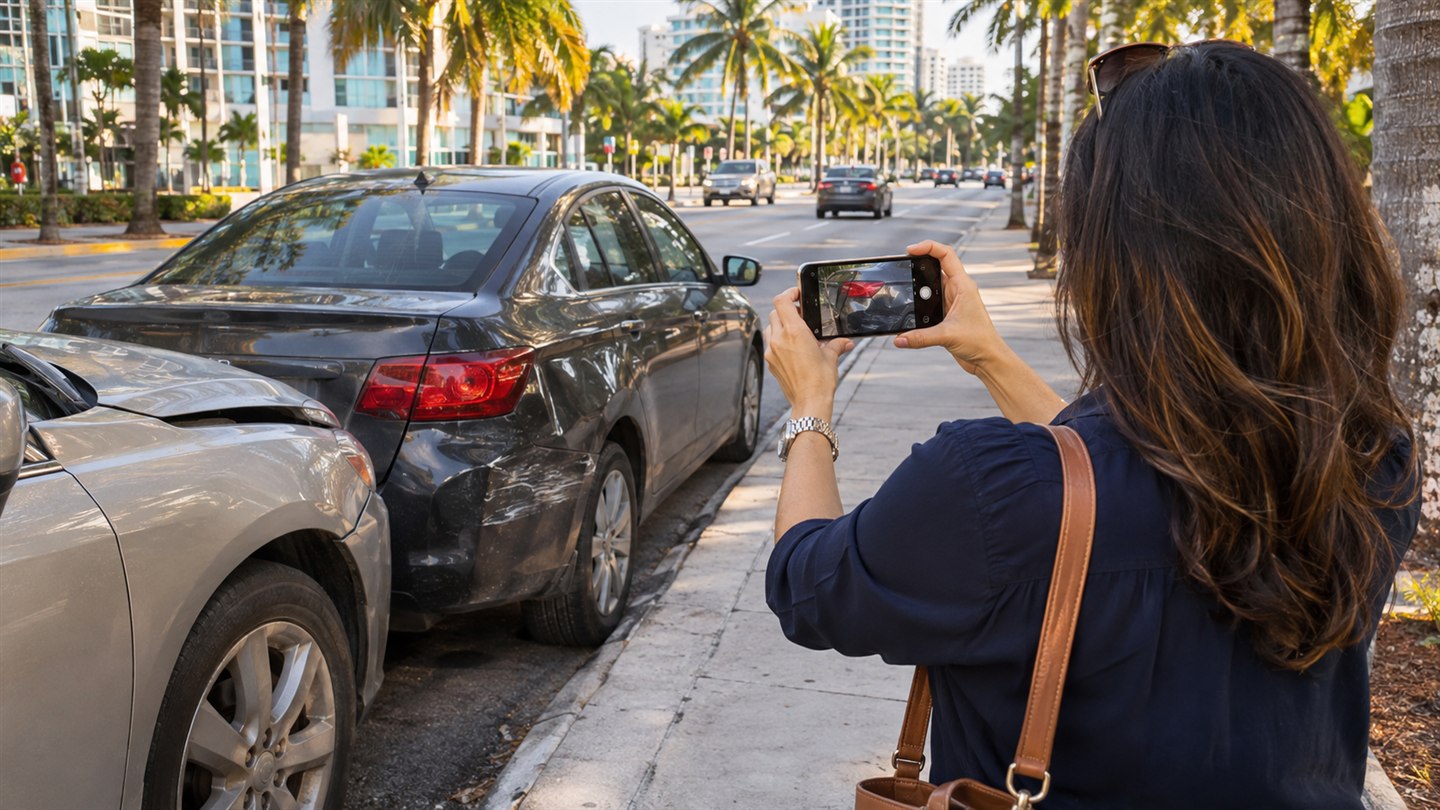
Florida law intensifies the urgency surrounding these questions. In Florida’s no-fault system, Personal Injury Protection (PIP) generally pays covered medical bills and lost wages regardless of fault. It provides up to $10,000 in combined medical and disability benefits. To qualify for PIP medical benefits, you must receive qualifying initial care within 14 days of the crash. For negligence claims accruing after March 24, 2023, the lawsuit filing limit is generally two years. Where Florida’s current modified comparative-fault rule applies, being more than 50% at fault can bar recovery. Small missteps in the first few weeks can have significant repercussions later.
That’s where Car Accident Attorney Manny Arce steps in. My law firm works hard to gather evidence. We also handle talks with insurance companies.
We build a claim that fully reflects the cost of your injuries. This includes medical care, lost income, and how the crash has affected your daily life. We assist injured drivers, passengers, and their families across Miami-Dade County, no matter how the accident happened. We help even when insurance issues are complex.
Your first step following a crash should be seeking medical care. Your next step is a free case evaluation with Attorney Manny Arce. Call us today at 305-793-8687 to discuss your situation and outline the path ahead.
What to Do After a Car Accident in Miami
The steps you take in the hours and days after a car accident in Miami can protect both your health and your claim.
Build a useful record after the crash
Put safety and medical care first. Then create one organized file instead of scattered messages and receipts. Use this checklist to prepare for an insurance talk or legal consultation:
-
- Collision information: Save the crash report number, photos, witness contact details, and your factual account of events.
- Medical information: Keep discharge instructions, appointment dates, bills, prescriptions, and work limits together.
- Income documentation: Gather pay records and employer messages showing missed work or changed duties.
- Out-of-pocket expenses: Save receipts for transportation, medication, and other costs you believe relate to the crash.
- Insurance correspondence: Save claim numbers, adjuster contact details, letters, offers, and any papers requesting your signature.
Keep your notes specific. Instead of writing my back hurts constantly, describe which tasks are hard, when symptoms appear, and what you told your clinician. Record improvements as well as limits, and avoid overstatement.
How Does No-Fault Insurance Work in Florida?
Personal injury protection, or PIP, generally pays benefits regardless of who caused the crash. Florida law provides up to $10,000 in medical and disability benefits, subject to legal rules and policy terms. It usually pays 80% of reasonable, medically necessary covered costs and 60% of qualified lost income. (wwwo.leg.state.fl.us)
Florida’s PIP 14-Day Deadline
Florida’s PIP 14-day rule is one of the most important deadlines after a car accident in Miami. Under section 627.736(1)(a), Florida Statutes, PIP pays medical benefits only if you receive initial services and care within 14 days after the motor vehicle accident. Miss that window, and your PIP medical benefits can be denied entirely, no matter how serious your injuries turn out to be. (wwwo.leg.state.fl.us) Miami Dade car accident attorneys usually know this.
The rule is about receiving treatment, not reporting the crash. Calling your insurer or scheduling an appointment within 14 days does not satisfy it. You must actually be seen by a qualifying provider within that period.
Qualifying initial care can include treatment at a hospital emergency room, care from emergency medical services, or a visit to a medical doctor, osteopathic physician, dentist, chiropractic physician, or certain other licensed providers. Massage therapists and acupuncturists do not qualify for the initial visit. (wwwo.leg.state.fl.us)
Symptoms from whiplash, concussions, and soft-tissue injuries often appear hours or days after a crash. Do not wait for pain to become severe. Get checked within the 14-day window, keep every record from that first visit, and follow through with the treatment your provider recommends.
Once the 14-day requirement is met, the next question is how much PIP will pay. That depends on the emergency medical condition finding discussed below.
The Emergency Medical Condition (EMC) Requirement
Access to the full medical-benefit limit depends on a finding of an emergency medical condition. Without that finding, benefits may be limited to $2,500. These are coverage rules, not a reason to delay needed care. (wwwo.leg.state.fl.us)
UM/UIM Insurance Coverage in Florida
When the at-fault driver has little or no insurance, your own uninsured motorist coverage may be the main source of compensation for your injuries.
What UM/UIM Coverage Does
Uninsured motorist (UM) coverage protects you when the driver who caused the crash has no bodily injury liability insurance. Underinsured motorist (UIM) coverage applies when the at-fault driver has some coverage, but not enough to pay for your injuries. In Florida, both are provided together as UM/UIM coverage under section 627.727, Florida Statutes. (flsenate.gov)
This coverage matters in Miami because Florida does not require most drivers to carry bodily injury liability insurance. Many drivers carry only the minimum PIP and property damage coverage. If one of them injures you, their policy may pay nothing toward your pain and suffering or your losses beyond PIP. (myfloridacfo.com)
Depending on your policy terms, UM/UIM coverage can also apply after a hit-and-run crash, and it may protect you as a driver, passenger, pedestrian, or cyclist.
For primary Florida motor-vehicle policies that provide bodily injury liability coverage, UM/UIM coverage generally must be provided at the same limits unless validly rejected or lower limits are selected. You can reject it or choose lower limits only in writing on a state-approved form. If the insurer cannot produce a valid signed form, the policy is generally treated as including UM coverage at your bodily injury limits. (flsenate.gov)
A UM claim is made against your own insurer, but it works much like a claim against the at-fault driver. You still have to prove fault and damages, and recovery for pain and suffering is subject to the same Florida injury threshold. A Miami car accident attorney can review your declarations page and every household policy to find all available UM/UIM coverage.
Other coverage also matters. Bodily injury liability insurance may cover a driver’s legal responsibility. Uninsured or underinsured motorist coverage may apply if the at-fault driver lacks enough liability coverage. A Miami auto accident lawyer should review the policies instead of assuming PIP is the only option. (floridabar.org)
Stacked vs. Unstacked UM/UIM Coverage
Stacked and unstacked (also called non-stacked) UM coverage determine how much coverage you can reach when your household insures more than one vehicle.
- Stacked UM coverage: You can combine the UM limits for each vehicle on your policy. For example, $50,000 in UM coverage on three insured vehicles could provide up to $150,000 in total UM coverage for an eligible insured household member.
- Unstacked UM coverage: You generally cannot combine the UM limits for multiple vehicles on the same policy. Non-stacked policies cost less, but they can also exclude coverage in certain situations, such as when you are hurt while occupying a vehicle you own for which UM coverage was not purchased.
Under section 627.727(8), Florida Statutes, stacked coverage is the default. An insurer must disclose the non-stacked limitations on a state-approved form and reduce the premium; a signed form creates a conclusive presumption of informed, knowing acceptance. (flsenate.gov)
Many drivers do not remember which option they chose. Check your declarations page, or ask a Miami car accident lawyer to request the signed selection or rejection form from your insurer. Whether your policy is stacked can make a significant difference in how much compensation is available after a serious crash.
How to Handle the Insurance Company After a Crash
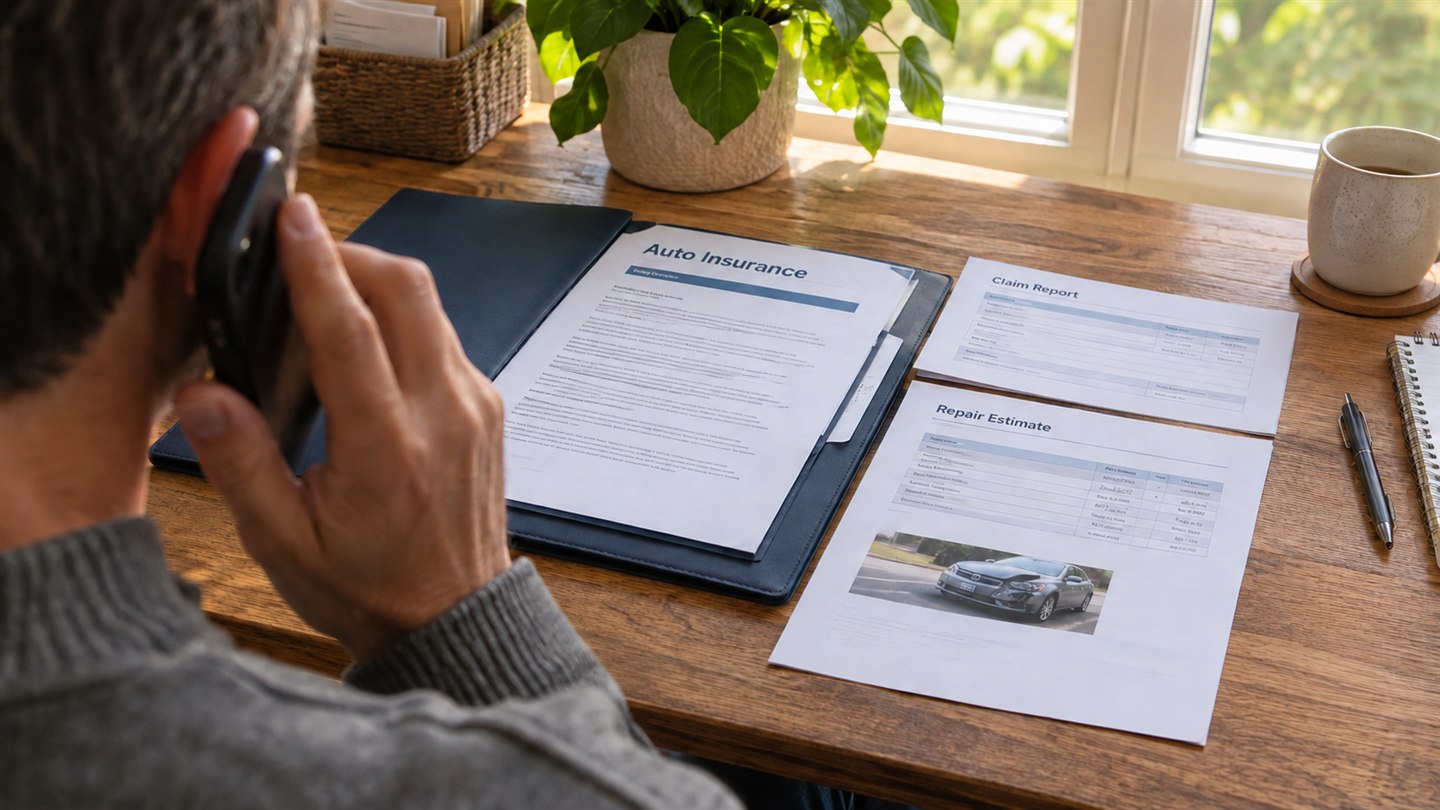
After a car accident in Miami, expect calls from more than one insurance company. Your own insurer handles your PIP claim and any uninsured motorist claim. The at-fault driver’s insurer handles the bodily injury liability claim against its policyholder. Every adjuster works for the insurer, not for you, so treat each conversation as part of your claim file.
Report the crash to your own insurer promptly, as your policy requires. Give the basic facts: the date, the location, the vehicles involved, and the police report number. You do not need to describe your injuries in detail before a doctor has examined you. (myfloridacfo.com)
Before you give a recorded statement or sign a consent form, ask what it covers. Ask if your policy requires you to cooperate. Do not ignore requests from your own insurer; policies can impose duties, including examinations under oath when appropriate. Get advice when the request or its effects are unclear. (myfloridacfo.com)
Before accepting an offer, ask whether it resolves property damage, bodily injury, or both. The wording matters: even Florida's official property-damage-only release expressly ends the claims described in that document. Have the actual release reviewed rather than relying on an adjuster's informal description. (myfloridacfo.com)
Use these practical rules when dealing with an insurance adjuster after a Miami car accident:
- Stick to the facts: Describe what happened without guessing about speed, distances, or who was at fault.
- Don’t downplay your injuries: Saying you feel “fine” before a medical evaluation can be used later to dispute your claim.
- Get it in writing: Ask for important requests, denials, and offers in writing, and keep a log of every call.
- Limit medical authorizations: A broad records release can give an insurer access to unrelated medical history. Ask what records it covers before you sign.
- Be careful with early offers: A quick settlement may arrive before you know the full cost of your treatment. Once you sign a release, you generally cannot reopen the claim.
- Stay off social media: Photos and posts about the crash or your daily activities can be taken out of context.
Your duties to your own insurer and to the other driver’s insurer are not the same. Your policy is a contract, and it may require you to cooperate, attend a medical examination, or give a statement under oath. The at-fault driver’s insurer has no contract with you, so you are generally not required to give it a recorded statement. (myfloridacfo.com)
If an insurer delays payment, disputes your emergency medical condition, denies your claim, or pressures you to settle quickly, speak with a Miami car accident lawyer before you respond. The Law Offices of Manny Arce can handle communications with the insurance company so you can focus on your recovery.
What Damages Can Car Accident Victims Recover in Miami?
The compensation available after a Miami car accident depends on your losses, the severity of your injuries, and how fault is divided.
What compensation could your claim include?

Depending on the evidence and the law, compensation may cover medical expenses, lost income, future financial losses, property damage, and qualifying noneconomic damages. Florida's statutory definition of economic damages includes past and future lost income and medical expenses. Pain-and-suffering recovery in covered motor vehicle cases still depends on the injury threshold. (flsenate.gov)
There is no useful claim estimate without reviewing the facts. Ask a Miami auto accident attorney to explain the evidence behind each request, the disputed issues, and the coverage available. Ask for a range with assumptions rather than treating one number as a promise.
Separate the proposed settlement from the amount you would actually receive. Request an itemized estimate that shows attorney fees, case costs, unpaid medical bills, and any required reimbursement claims. Ask which figures are confirmed and which are only estimates.
Pain and suffering has a separate threshold
In cases governed by Florida's motor vehicle injury threshold, recovering pain-and-suffering damages requires a qualifying injury. The statutory categories include a significant and permanent loss of an important bodily function. They also include a permanent injury, within a reasonable degree of medical probability. The categories include significant and permanent scarring or disfigurement. They also include death. (flsenate.gov)
Ask the car accident lawyer in Miami how this threshold applies to your medical evidence. Do not assume that pain alone proves permanency, or that an early diagnosis settles the issue. Request a clear distinction between documenting financial losses and qualifying for noneconomic damages.
Fault and evidence shape the outcome
Florida uses modified comparative negligence for negligence claims covered by its current rule. Compensation is reduced by the injured person’s share of fault. A person found more than 50% at fault cannot recover damages in those claims. Being exactly 50% at fault does not trigger that bar, although it lowers recovery. (flsenate.gov)
For example, assume $100,000 in damages you can recover and an injured person who is 20% at fault. The comparative-fault reduction would leave $80,000 before other applicable adjustments, fees, or costs. This is an example calculation, not an estimate of any particular claim. (flsenate.gov)
When discussing fault with Miami-Dade car accident attorneys, ask what supports each side's account. Identify photos, witnesses, video, vehicle damage, and other records. Focus on clear facts. Note where vehicles were, what you saw, and when you reacted. Avoid guessing another driver’s intent.
Florida’s 2-Year Statute of Limitations for Car Accidents
Florida sets strict time limits for car accident claims, and missing one can bar your recovery entirely.
What are the Deadlines and Miami-Dade court procedures?
Florida generally allows two years to file a negligence action. For a typical recent car accident injury claim, that usually means two years from the crash. But accrual rules, exceptions, and the defendant type need a case-by-case review. Older accidents may follow a different time limit. (leg.state.fl.us)
Do not confuse that filing deadline with PIP's 14-day initial-treatment rule. They govern different things: one concerns starting a lawsuit, while the other concerns benefits from the insurance policy. Ask counsel to identify every deadline that applies to your situation rather than counting only an anniversary date. (leg.state.fl.us)
Miami-Dade does not replace statewide negligence law with a separate county compensation formula. The local layer includes court management and case rules. The Eleventh Judicial Circuit's civil procedures set deadlines for disclosures, discovery, mediation, and trial prep. Miami car accident lawyers should explain both the Florida law and the orders that control your case. (jud11.flcourts.org)
From insurance negotiations to litigation
Ask your lawyer to describe the next milestone, what information is missing, and what would justify moving toward litigation. Once a lawsuit begins, court deadlines control stages such as discovery and settlement talks. A filing therefore calls for active preparation, not just waiting for a trial date. (jud11.flcourts.org)
Use these milestones to structure your conversations with counsel:
-
- Investigation: Ask which parties and policies need review and what evidence should be preserved.
- Medical and loss assessment: Identify missing records, unresolved treatment questions, and documentation of missed work.
- Settlement evaluation: Request an explanation of the offer, its assumptions, and the likely deductions.
- Litigation planning: Discuss discovery duties, expected costs, settlement chances, and trial prep.
Mediation is one possible way to resolve a filed case. A neutral mediator helps the parties explore agreement but does not decide who wins; settlement requires voluntary acceptance. Miami-Dade circuit civil cases may be sent to private mediation under local procedures. (jud11.flcourts.org)
Avoid relying on a promised end date. Instead, ask for a case-specific explanation of what controls timing and when you should expect an update. If treatment, evidence collection, or a court ruling is still unresolved, ask how that uncertainty affects the next decision.
Why Hire a Miami Car Accident Lawyer?
A Miami car accident lawyer can explain your rights, deal with the insurance companies, and file a lawsuit if the insurer will not offer a fair settlement.
How does a Miami car accident lawsuit work?
A car accident lawsuit is a civil case. An injured person asks the court to hold someone else responsible. They want the court to cover the harm they suffered. It differs from an insurance claim, which asks an insurer to pay under a policy. Florida’s personal injury protection system can cover some losses, no matter who caused the crash. It does not remove every claim against a careless driver. (floridabar.org)
Start by separating three issues: which insurance policies apply, who caused the crash, and what losses the evidence supports. Ask a Miami Car Accident Lawyer to explain each issue separately. A strong account of fault matters, but so does showing how the crash affected your health, pay, and daily life.
For example, if you cannot return to a physically demanding job, collect more than your emergency-room bill. Bring your work limits, follow-up records, and pay records to the consultation. Those materials give the lawyer a clearer starting point for your case.
Choose representation for your actual needs
Start by checking licensing and public discipline information through The Florida Bar's lawyer directory. The directory shows attorney status and provides access to a 10-year discipline history. Review the details rather than relying only on ads or a search ranking. (floridabar.org)
Whether you need a Miami Car Accident Lawyer for an insurance dispute or a car wreck lawyer in Miami for expected litigation, make the consultation practical. Ask who will handle the file, how attorney access works, and who will explain settlement offers. Request examples of experience with similar issues without expecting another client's outcome to predict yours.
If you need Spanish or another language, check if you can talk directly to the attorney or if you will use an interpreter. Ask how written explanations and key documents will be translated. Clear communication should continue beyond the intake call.
If you lack papers or have other immigration concerns, raise them privately before signing disclosures. Ask what information is needed, what privacy protections and exceptions apply, and whether separate immigration advice is appropriate. Do not rely on a blanket promise that bringing a claim carries no immigration-related risk.
Before hiring an accident attorney in Miami, request a plain-language explanation of the plan, likely expenses, and your responsibilities. Choose someone who answers those questions without promising payment or pressuring you to sign right away.
How much does hiring a lawyer cost?
A contingency fee means the lawyer is paid only if you recover money. For injury matters the Law Offices of Manny Arce accepts, no attorney’s fees or case costs are owed to the firm if there is no recovery. Florida requires a written contingency agreement stating the percentage and how expenses will be handled. The first consultation with Manny Arce is free. (floridabar.org)
For standard personal injury contingency deals, Florida Bar guidance lists common percentage limits. These often include 33⅓% of the first $1 million recovered. This generally applies before an answer or demand for appointment of arbitrators is filed or the time to do so expires. The limit is generally 40% of the first $1 million after that point through judgment. Different tiers and circumstances apply, and you can negotiate a lower percentage. Filing a lawsuit alone is not the exact dividing line stated in that guidance. (floridabar.org)
When comparing accident lawyers in Miami, FL, request written answers about costs. Clarify who pays filing fees, record charges, and expert costs upfront.
State if these costs are taken out before or after the fee is calculated.
Explain what you owe if no money is recovered. Under the firm’s policy, no attorney’s fees or case costs are owed to the firm if there is no recovery. The signed fee agreement explains the terms. (floridabar.org)