What Does a Truck Accident Lawyer Do After a Miami Crash?
A truck accident lawyer investigates how the crash happened, identifies the businesses and insurance policies that may be involved, and documents your injuries and losses. The work may include preserving video and vehicle data, reviewing driver and company records, consulting qualified experts, and preparing your claim for settlement or litigation.
If you were injured in Miami-Dade, understanding that process can help you decide what to do next. This guide explains the investigation and questions to ask. Our Miami truck accident lawyer page explains how Manny Arce can help with your particular claim.

Why are truck accident cases different from car accident cases?
A commercial truck crash can involve business records, safety requirements and insurance arrangements that an ordinary car claim may not. The lawyer must identify the truck, its use and the trip before deciding which rules and records apply.
Federal rules address driver qualifications, hours of service and vehicle maintenance. Their applicability depends on the operation; not every delivery vehicle and interstate tractor-trailer follows the same requirements.
Consider a truck that could not stop in time. An investigation might examine driver attention, brake condition, inspection history and cargo security. Those questions lead to different records—and potentially different explanations—than photographs of the damaged vehicles alone provide. A useful consultation should connect the particular crash to a practical investigation plan.
Who may be responsible for a commercial truck collision?
The driver, trucking company or another business may need investigation. Responsibility depends on evidence connecting the person's or company's conduct to the collision and injuries. A name on the truck, ownership document or contract is a starting point, not automatic proof of liability.
A commercial truck accident attorney should separate identifying a business from proving a claim against it. Useful questions include:
- Driver conduct: What do witnesses, video and driving records show about the moments before impact?
- Company control: Who employed the driver, assigned the trip and controlled the work?
- Maintenance: Who inspected or repaired a component suspected of contributing to the crash?
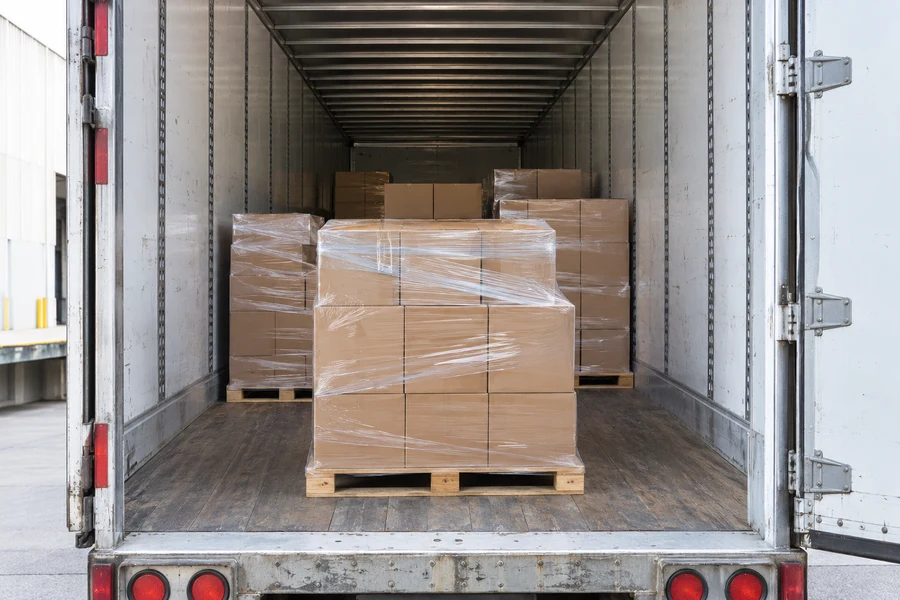
- Cargo handling: Who loaded or secured the freight, and what records describe the load?
Cargo illustrates why those distinctions matter. Federal cargo rules require proper distribution and securement in covered operations and impose driver inspection duties with exceptions. The review should examine the loading work and the driver's applicable duties.
What evidence should be preserved after a truck crash?
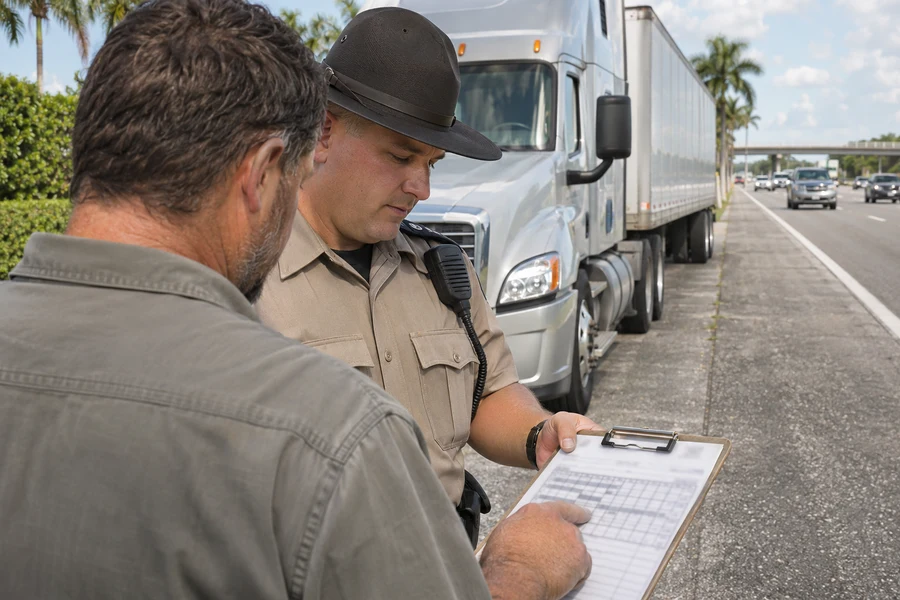
Useful evidence can include photographs, witness details, video, the truck and damaged vehicles, driver records, maintenance files and dispatch communications. The lawyer should identify what exists, who controls it and what lawful steps can preserve it before repairs or routine deletion.
A semi-truck accident investigation may also involve several electronic systems. An electronic logging device records hours-of-service information. It is not required to collect speed, braking or steering data. Other installed systems may retain different information; an attorney should determine what this truck actually recorded. FMCSA explains the distinction.
For covered records, carriers must retain duty-status records and required supporting documents for at least six months from receipt. That is not a universal retention period for all truck evidence, and it is not a reason to wait. 49 CFR 395.8(k) sets that specific requirement.
Supporting documents include trip and dispatch records, certain receipts, fleet communications and payroll information. Comparing sources can reveal whether the timeline is consistent. For a separate tractor and trailer, our 18-wheeler and tractor-trailer accident page explains the heavy-equipment investigation.
What compensation may a truck accident claim include?
A supported claim may include medical expenses, lost income, property losses and qualifying noneconomic harm. The categories and amounts depend on the injuries, proof and applicable law. A commercial vehicle's involvement does not establish a settlement value. Florida's damages definitions identify several economic-loss categories.
Organize the practical effects of the collision:
- Medical care: Bills, treatment records, prescriptions and recommendations for further care.
- Work disruption: Wage information, missed shifts and changes to your job duties.
- Property losses: Photographs, repair estimates and relevant receipts.
- Daily limitations: Specific changes to mobility, sleep, household tasks and activities.
Where Florida's motor-vehicle injury threshold applies, pain-and-suffering recovery requires a qualifying injury. Examples include permanent injury within a reasonable degree of medical probability or significant and permanent scarring or disfigurement. Section 627.737 supplies the categories.
Punitive damages have separate requirements. Permission to plead them requires a reasonable evidentiary showing; ultimate liability requires clear and convincing proof of intentional misconduct or gross negligence. Additional conditions govern corporate or employer responsibility. Serious injuries alone do not establish entitlement. Section 768.72 explains those requirements.
How do insurance disputes and shared fault affect a claim?
Insurance coverage determines which policies may respond; fault concerns legal responsibility. They require separate review. Your own coverage may provide benefits while a liability claim is investigated, but the actual policy terms and crash circumstances control.
Bring complete policies, endorsements and insurer letters rather than relying on the phrase “full coverage.” Florida Bar guidance explains the roles of PIP and uninsured or underinsured motorist coverage. An attorney should examine which coverages apply to you.
For a negligence action governed by Florida's current comparative-fault rule, damages are reduced by your share of fault. If you are found more than 50% responsible for your own harm, that rule bars recovery. Being exactly 50% at fault does not trigger the bar. Section 768.81 governs this analysis.
If an insurer blames you or disputes your injuries, ask what evidence supports its position and what records are needed to respond.
What should I do before a truck accident consultation?
Put safety and medical needs first. Preserve what you can safely obtain, then organize the information for legal review. You do not need a complete file before asking for help; identify missing records during the consultation.
Keep the responding agency's details, crash report number, photographs, insurance correspondence, medical paperwork and work-loss information. Write a factual timeline while events are fresh. Separate what you personally observed from what someone else told you.
Our truck accident evidence checklist explains what to save. The truck accident consultation preparation guide helps you organize records and questions. Mention any planned repairs, disposal, insurer response date or proposed release at the start of the discussion.
How long do I have to file a truck accident lawsuit in Florida?
Florida generally provides two years for negligence claims accruing after March 24, 2023. The controlling deadline depends on the claim, defendant, accrual date and any exceptions. Have an attorney calculate it for your case.
Section 95.11(5)(a) sets the current negligence period; the 2023 legislation specifies its applicability. Do not assume insurance discussions extend your time to sue. Our Florida injury-claim deadline guide explains why different deadlines need separate attention.
What should I ask before hiring a truck accident lawyer?
Ask about comparable matters, who will handle the work, the investigation proposed and how updates will be provided. A nearby office or confident advertisement does not answer those questions.
Discuss how counsel would address disputed injury causation, conflicting accounts or missing records. Ask what remains uncertain and what the next step would resolve. Florida Bar guidance on working with an attorney supports asking direct questions about representation and communication.
How do attorney fees and case costs work?
For injury matters the Law Offices of Manny Arce accepts, no attorney's fees or case costs are owed to the firm if there is no recovery. The written fee agreement explains the fee percentage, expenses and how a recovery is distributed.
Attorney fees and litigation expenses are different. Ask who advances expenses and how deductions affect the amount payable to you. Our guide to personal injury trial costs explains the distinction. Florida Bar fee guidance provides additional background.
How can I discuss my truck accident with Manny Arce?
Call Manny Arce at (305) 793-8687 for a free case review, or request a consultation online. Start with when and where the crash happened, your injuries and any urgent paperwork. In-person meetings in Coral Gables are by appointment.
The initial discussion helps identify what needs attention and whether the firm can assist. Sending an inquiry does not, by itself, establish representation. Confirm acceptance and who will handle your deadlines. This guide provides general information, not a prediction of a particular result.