Road work
Florida Turnpike Work Zone Crashes: Evidence and Deadlines
A November lane-closure advisory for the Homestead Extension of Florida’s Turnpike shows why timing and location matter after a work zone crash in Miami-Dade County.
Published · By Manny Arce
Updated
November 20, 2026 advisory

What the advisory says
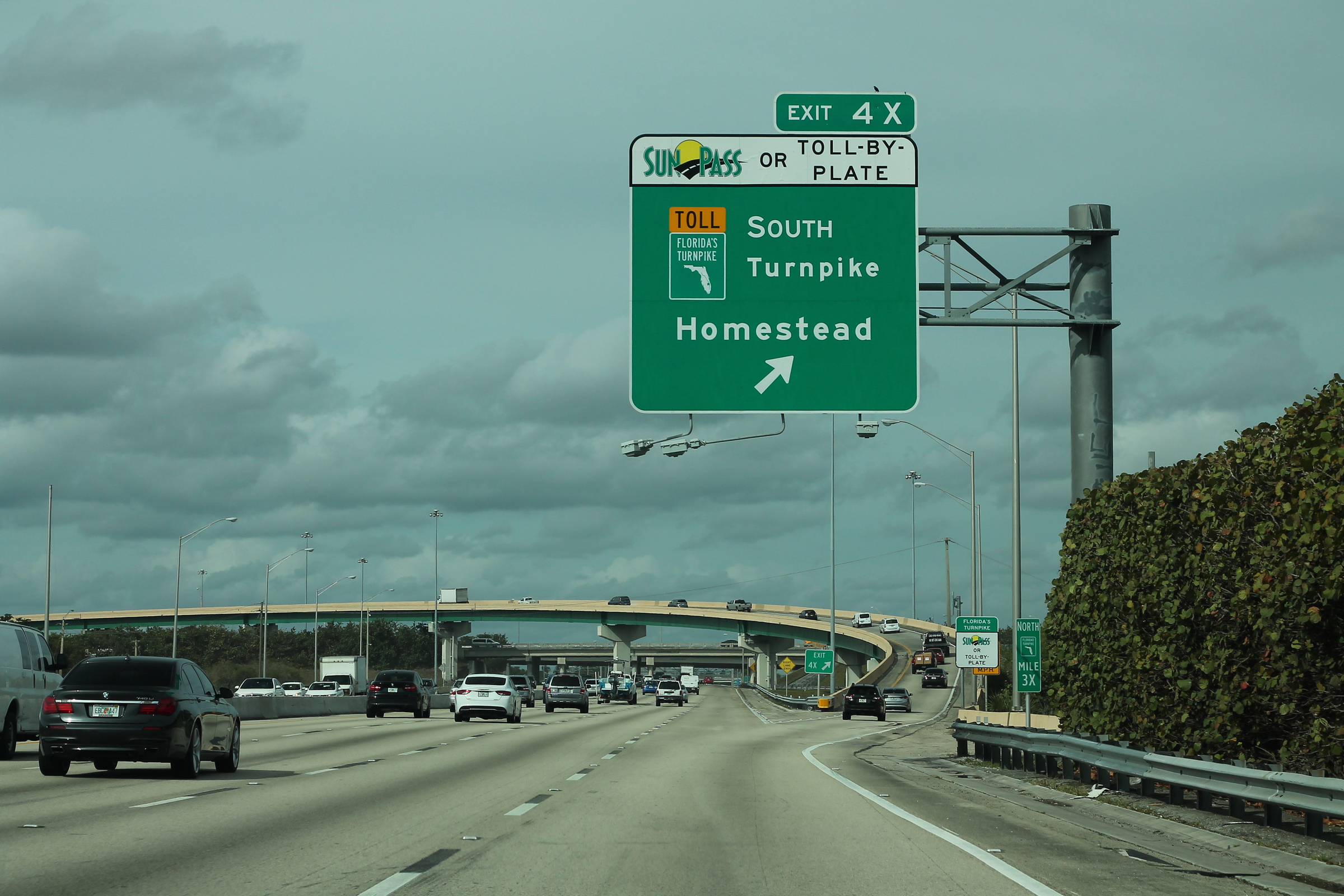
Florida’s Turnpike Enterprise’s November 20, 2026 advisory scheduled overnight lane closures on State Road 821, the Homestead Extension of Florida’s Turnpike (HEFT). The affected stretch runs between Campbell Drive and Old Cutler Road in southern Miami-Dade County. The closures were scheduled for the nights of November 22 through November 24, with different hours for each direction.
The notice also suspends regularly scheduled construction and maintenance lane closures for Thanksgiving from 6 a.m. November 25 to 10 p.m. November 30, unless otherwise indicated. Check Florida 511 for current conditions.
What the schedule can tell you
A public advisory shows where and when work was scheduled. A crash investigation asks what a driver could see at the moment of impact. A ramp can be open when the advisory says it may close. A temporary sign might be visible from one approach and hard to see from another.
The time, direction of travel and exact location help match a crash to the right part of the project. Depending on the facts, original dashcam video, traffic-control plans, contractor daily logs and photos of the setup may help establish what was actually in place. The temporary layout may change by the next shift. A photo taken days later may show a different scene.
Common causes of work zone crashes
Construction zones change the road in ways drivers may not expect. Narrowed lanes, lane shifts, uneven pavement and sudden slowdowns can increase the risk of a rear-end collision or other crash. Temporary markings and barriers can also affect a driver’s path and view. At night, reduced visibility, glare from work lights and driver fatigue can create additional hazards.
Speed also matters. Under Florida law, certain speeding fines are doubled in a construction zone when the required signs give notice of both the speed limit and doubled fines, and construction personnel are present or operating equipment on or immediately beside the road under construction.
Evidence in a Turnpike work zone crash
Some records may be overwritten or lost. Depending on what exists and can lawfully be obtained, useful evidence may include:
- The Florida Highway Patrol crash report and 911 call records
- Original dashcam, phone and nearby surveillance video
- Vehicle event data recorder (“black box”) data
- SunPass or Toll-By-Plate transaction records that may help establish timing and location
- Traffic-control plans, contractor daily logs and message-board settings
- Names and contact information for witnesses and work crew members
A Miami car crash attorney can help identify relevant records, request their preservation and evaluate whether the evidence supports a car accident lawsuit.
Who may be responsible
Fault in a work zone accident is not always limited to another driver. A contractor or subcontractor may share responsibility if negligent traffic-control work contributed to the crash. Investigators may compare signs, barrels, lighting and lane shifts with the approved traffic-control plan. A mismatch alone does not establish liability; the condition’s role in the crash also matters.
Florida law limits liability for certain FDOT contractors that comply with the relevant contract documents, subject to statutory exceptions. Claims involving a government agency also have special rules, including pre-suit notice requirements and recovery limits under section 768.28, Florida Statutes.
What to save
If you can do so safely, keep the original footage and note your direction of travel, the time and the nearest exit or mile marker. Never stop in a travel lane to take pictures. If you saw a sign or lane shift just before the crash, write down where it was while the detail is fresh.
Seek medical attention promptly if you are hurt or develop symptoms. Florida’s PIP medical-benefit rules generally require qualifying initial services and care within 14 days after the crash. Meeting that timing requirement alone does not establish coverage or the amount payable. When it is safe, ask the responding trooper or officer for the crash report number.
Deadlines to keep in mind
For an ordinary negligence injury claim against a private defendant that accrued after March 24, 2023, Florida generally provides two years to file suit. In a typical car accident injury case, that period runs from the crash. Exceptions and different claim types can change the analysis; government claims have separate notice requirements and filing rules.
In a negligence action covered by Florida’s comparative-fault rule, a person found more than 50 percent at fault for their own harm generally cannot recover damages. A South Florida car accident lawyer can review which deadlines, fault rules and defenses apply to a particular crash.
Sources
- Florida’s Turnpike Enterprise — November 20, 2026 advisory, pages 1–2
- Florida 511 — current traffic information
- Federal Motor Carrier Safety Administration — work zone safety
- Federal Highway Administration — nighttime work zone safety
- Florida Statutes — construction-zone speeding fines, section 318.18(3)(e)
- Florida Statutes — FDOT contractor liability limits, section 337.195
- Florida Statutes — government tort claims, section 768.28
- Florida Statutes — PIP medical benefits, section 627.736(1)(a)
- Florida Statutes — negligence limitations period, section 95.11(5)(a)
- Chapter 2023-15, Laws of Florida — effective date and applicability, sections 28–31
- Florida Statutes — comparative fault, section 768.81(6)